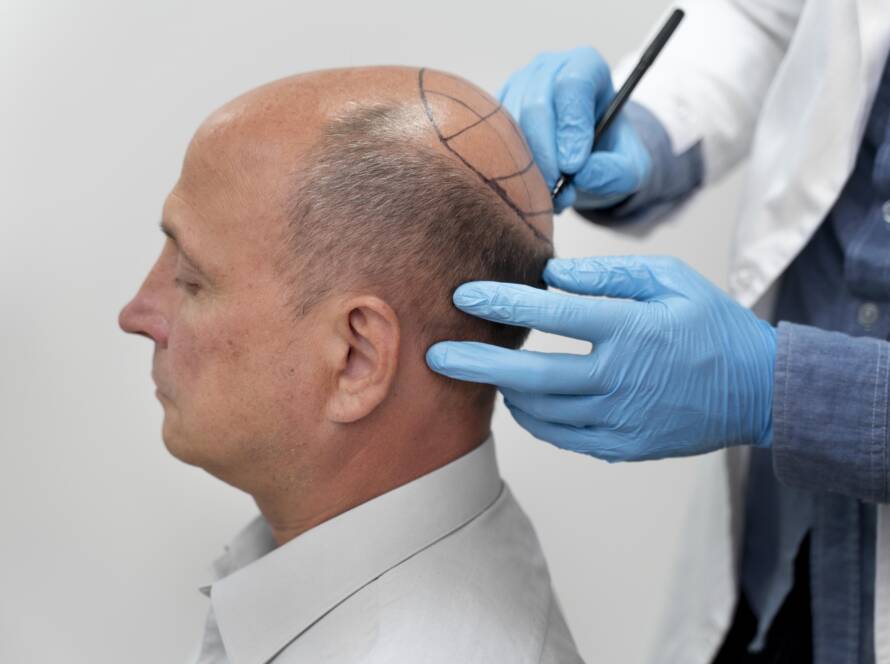
Hair loss has become one of the most common concerns for both men and women in recent years. In 2026, factors such as stress, lifestyle changes, nutritional gaps, hormonal shifts, and environmental exposure continue to impact hair and scalp health across all age groups.
When experiencing hair fall or thinning, many people are unsure where to seek help. Should you consult a trichologist or a dermatologist? Understanding the difference between the two can help you make a more informed decision and avoid unnecessary delays in addressing your hair concerns.
Understanding Hair Loss in 2026
Hair loss is no longer limited to genetics or ageing. Today, it is often influenced by multiple overlapping factors, including:
- Chronic stress and sleep disruption
- Nutritional deficiencies
- Hormonal imbalance
- Scalp inflammation or poor scalp health
- Lifestyle and environmental factors
Because hair loss is rarely caused by a single issue, choosing the right professional becomes essential.
What Does a Dermatologist Do?
A dermatologist is a medical doctor who specialises in conditions related to the skin, hair, and nails. Dermatologists are trained to diagnose and treat medical and pathological conditions.
A dermatologist may be suitable if:
- Hair loss is sudden or severe
- There is visible scalp disease, infection, or inflammation
- Hair loss is linked to an underlying medical condition
- Prescription medication or medical intervention is required
Dermatologists focus primarily on diagnosing diseases and treating medical causes of hair and scalp issues.
What Does a Trichologist Do?
A trichologist specialises specifically in the study of hair and scalp health. Trichology focuses on identifying underlying factors affecting hair growth and scalp condition and addressing them through structured, non-invasive approaches.
A trichologist may be suitable if:
- Hair thinning is gradual or ongoing
- Hair fall has lifestyle, nutritional, or stress-related triggers
- Scalp health issues such as oil imbalance, dryness, or buildup are present
- You want a detailed hair and scalp analysis and long-term care plan
Trichologists focus on understanding why hair concerns occur and how to support hair health through personalised, evidence-based guidance.
Key Differences Between a Trichologist and a Dermatologist
| Aspect | Trichologist | Dermatologist |
| Primary focus | Hair & scalp health | Medical skin, hair & nail conditions |
| Approach | Non-invasive, holistic, lifestyle-led | Medical diagnosis & treatment |
| Scalp analysis | Detailed and central | Secondary to medical diagnosis |
| Ideal for | Gradual hair thinning, scalp health, hair fall | Medical scalp conditions, severe hair loss |
| Treatment style | Education, care plans, evidence-based guidance | Prescription-based or clinical treatment |
Which One Should You See for Hair Loss in 2026?
In 2026, the best approach often depends on the nature of your hair concern:
- If hair loss is linked to a diagnosed medical condition or sudden scalp changes, consulting a dermatologist is important.
- If hair loss is gradual, lifestyle-related, or accompanied by scalp concerns, a trichologist can help identify contributing factors and guide long-term care.
In many cases, hair health benefits from a complementary approach, where medical evaluation and trichology-led care work together.
Why Early Assessment Matters
Delaying hair assessment often leads to progression that becomes harder to manage. Early evaluation helps:
- Identify triggers before hair thinning worsens
- Address scalp health issues early
- Create realistic expectations for hair care and growth
- Support healthier long-term outcomes
Hair concerns addressed early are often easier to manage than advanced hair thinning.
Vivandi Trichology’s Approach to Hair & Scalp Care
At Vivandi Trichology, our focus is on education, assessment, and evidence-based guidance. We help individuals understand their hair and scalp condition through:
- Detailed hair and scalp analysis
- Personalised consultations
- Long-term, realistic hair care planning
Our goal is not quick fixes, but informed decisions that support healthier hair and scalp care over time.
Final Thoughts
Choosing between a trichologist and a dermatologist in 2026 depends on understanding your hair concern and the type of support you need. While dermatology addresses medical conditions, trichology focuses on ongoing hair and scalp health through personalised care.
For individuals experiencing hair thinning, hair fall, or scalp concerns without a diagnosed medical condition, trichology offers a structured and supportive starting point.