Seeing More Hair Than Usual? Here’s What It Means
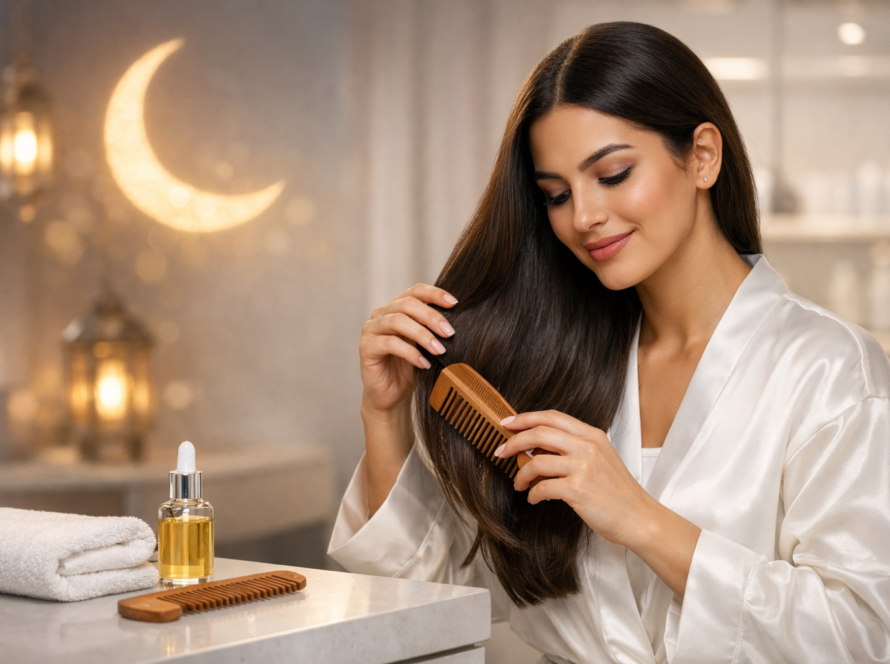
Noticing extra strands on your pillow, in the shower, or on your hairbrush can be alarming. But not all hair fall indicates permanent hair loss. Often, it’s seasonal hair shedding, a temporary phase triggered by environmental changes, stress, or lifestyle factors.
At Vivandi Trichology, we help patients differentiate between normal shedding and real hair loss, so you can take the right hair care steps or begin effective hair treatment early.
What Is Seasonal Hair Shedding?
Seasonal shedding is natural. Hair goes through growth cycles, and during certain seasons more strands enter the resting (telogen) phase.
When does it happen in the UAE?
- Late summer to early winter (heat and humidity transitions)
- After vacations or travel (stress + routine changes)
- During climate drops (Dec–Feb)
Common Causes:
- Extreme heat + AC temperature shifts
- Humidity changes
- UV exposure
- Hard water
- Stress or sleep disruption
Duration:
Usually 6–12 weeks, then hair stabilizes without intervention.
What Is True Hair Loss?
True hair loss occurs when hair follicles weaken, miniaturize, or become permanently damaged. Unlike seasonal shedding, it doesn’t resolve on its own.
Common Causes of Hair Loss:
- Androgenic alopecia (male/female pattern thinning)
- PCOS-related hair loss
- Thyroid disorders
- Chronic stress or illness
- Nutritional deficiencies
- Postpartum hormonal shifts
- Genetics
- Traction alopecia from tight hairstyles or chemical damage
Left untreated, hair continues to thin over time.
Seasonal Shedding vs Hair Loss: Key Differences
| Factor | Seasonal Shedding | Hair Loss |
| Duration | Temporary (6–12 weeks) | Continuous, worsening |
| Amount of hair fall | 80–150 strands/day | 150+ strands + visible thinning |
| Visible scalp | No | Yes, especially crown or hairline |
| Hair density | Appears normal | Slowly decreases |
| Triggers | Weather, stress | Hormones, genetics, medical issues |
| Recovery | Natural | Requires hair treatment |
Tip: If you notice scalp visibility, widening parting, or crown thinning — it’s likely real hair loss.
How Vivandi Trichology Diagnoses Hair Loss
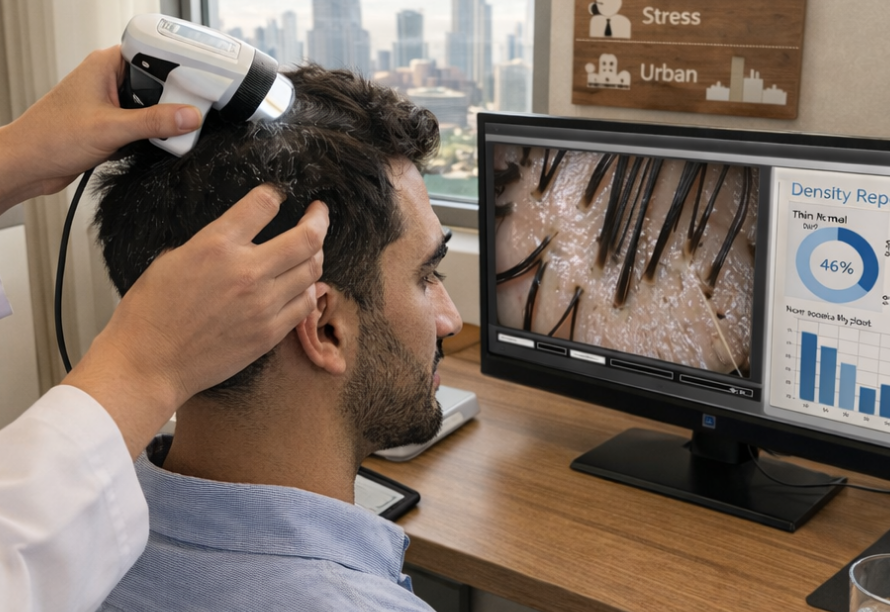
At Vivandi Trichology, we provide professional evaluation with:
1. Scalp & Follicle Analysis (Tricho-scan)
- Follicle diameter
- Miniaturization
- Inflammation
- Scalp health
- Density & growth ratios
2. Medical & Lifestyle Review
- Hormonal imbalances
- Nutritional deficiencies
- Stress or medication factors
3. Personalized Hair Treatment Plan
We recommend targeted hair treatment options including:
- Mesotherapy
- Low-Level Laser Therapy (LLLT)
- Scalp detox and regeneration protocols
- Non-surgical hair replacement systems
Book your consultation today to determine if you’re experiencing seasonal shedding or real hair loss.
Hair Care Tips to Reduce Seasonal Shedding
Even temporary shedding can be managed with proper hair care:
- Use gentle, sulfate-free shampoo
- Apply nourishing conditioner or hair mask
- Minimize heat styling
- Massage scalp weekly to boost circulation
- Stay hydrated
- Protect hair from UV exposure with sprays or hats
Signs You Should Seek Hair Treatment
Book a consultation if you notice:
- Shedding >12 weeks
- Scalp becoming visible
- Receding hairline or thinning crown
- Thinner ponytail
- Hair fall post-pregnancy or illness
Delaying professional treatment may worsen follicle miniaturization.
FAQ: Seasonal Shedding & Hair Loss
Q1: How long does seasonal hair shedding last?
A: Typically 6–12 weeks, then hair regrows naturally.
Q2: Can seasonal shedding turn into real hair loss?
A: No, but underlying conditions can worsen hair thinning if ignored.
Q3: What hair treatment options does Vivandi offer?
A: Mesotherapy, LLLT, scalp detox, and non-surgical hair replacement.
Final Thoughts
Not all hair fall means permanent hair loss, but knowing the difference is critical. Start proper hair care, monitor shedding, and consult a professional early.Take action today: Schedule your evaluation at Vivandi Trichology and get a tailored plan to prevent hair loss and promote healthy growth.