If you live in the UAE, you have probably heard it from friends, colleagues or a salon stylist: “It’s the water. Hair fall is one of the most common concerns we hear from residents across Dubai, Abu Dhabi and Sharjah, and it affects men and women of every age and background.
The truth is more nuanced than a single cause. Climate, water, stress, diet, hormones and genetics all play a part, and the right solution depends on which of them applies to you. This guide walks through the main factors, separates fact from myth, and explains when it is time to see a trichologist in the UAE for a professional scalp assessment.
First, What Counts as Normal Hair Shedding?
Everyone sheds hair daily. Losing roughly 50 to 100 strands a day is considered normal, because every follicle moves through cycles of growth, transition and rest. Hair fall becomes a concern when you notice:
- Noticeably more hair in the shower drain, on your pillow or on your brush
- A widening part or thinning at the crown
- A receding hairline or thinning at the temples
- A thinner ponytail than you used to have
- Shedding that continues for more than two to three months
Shedding (hair coming out from the root) is different from breakage (hair snapping along the length). The two have different causes and different solutions, which is one reason a proper assessment matters.
Hair Fall and Hard Water in the UAE
Most of the UAE’s tap water comes from desalination and is often described as hard, meaning it carries a notable mineral load. Many residents notice that hair feels drier, rougher or heavier after washing, and that products do not lather or rinse as they did elsewhere.
What the evidence says
Experts are divided, and it is worth being honest about that:
- Water can damage the hair shaft. Mineral build-up and chlorine or other treatment chemicals can leave hair dull, tangled, brittle and prone to breakage. Rough, brittle hair is more likely to snap during brushing and styling.
- Water is rarely the sole cause of true shedding. Several specialists point out that tap water alone does not usually trigger hair loss from the follicle. Genetics, hormones, stress and nutrition are more common drivers.
- Build-up can irritate the scalp. Residue may contribute to dryness, itchiness or flaking, which can make an existing problem worse.
Practical steps for hard water
- Install a shower filter or softener to reduce mineral and chlorine exposure
- Use a chelating or clarifying shampoo occasionally (not every wash) to remove build-up
- Give your final rinse with filtered or bottled water if you can
- Choose gentle, sulfate-free shampoos and a good conditioner on the lengths
- Rinse thoroughly after swimming in chlorinated pools and the sea
Heat, Sun and Air Conditioning
The UAE climate adds its own pressure. Long summers, strong sun, humidity outdoors and constant air conditioning indoors can leave both hair and scalp dehydrated. Pool chemicals and salt water add to the strain. Dry, weakened hair breaks more easily, and a dehydrated scalp can become irritated or flaky.
Simple habits help: wear a hat or scarf in strong sun, use a leave-in conditioner or UV-protective product, limit very hot styling tools, and avoid tight hairstyles that pull on the roots. If you wear a headscarf or hijab, choose breathable fabrics, keep the scalp clean and avoid tying it too tightly, since constant friction and tension can contribute to thinning around the hairline and crown.
Stress and Hair Fall
Busy work schedules, long commutes, living far from family and the pace of expat life mean many residents run on high stress for long periods. Stress is one of the most common triggers of telogen effluvium, a temporary condition where a large number of hairs shift into the resting phase and then shed together, typically a few months after a stressful event.
Other triggers of this kind of shedding include:
- Illness, high fever or surgery
- Rapid weight loss or crash dieting
- Childbirth and hormonal shifts
- Major life changes such as relocating
The encouraging news is that stress-related shedding is often temporary once the trigger is addressed. Regular sleep, movement, time outdoors in the cooler hours and relaxation practices all support recovery. Persistent stress and hair fall that does not settle is worth discussing with a professional.
Nutrition and Hair: What Your Follicles Need
Hair is a fast-growing tissue, so it is sensitive to what you eat. Restrictive diets, skipped meals, vegetarian or vegan diets without careful planning, and heavy training routines can all leave gaps. Nutrients commonly linked to hair health include:
Nutrients linked to hair health
- Protein: hair is made mostly of keratin, a protein. Low intake can push hair into a shedding phase.
- Iron and ferritin (stored iron): low levels are a well-known factor in diffuse shedding, especially in women.
- Vitamin D: despite the sunshine, low vitamin D is very common in the UAE because of indoor lifestyles, sun avoidance and covered clothing.
- Zinc: supports tissue growth and repair.
- B vitamins, including biotin and B12: involved in energy and cell production.
- Omega-3 fatty acids: support scalp health.
Food first, then test before supplements
A balanced plate with eggs, fish, lean meat or legumes, leafy greens, nuts, seeds and fruit covers most of these. Before starting supplements, get tested. Taking iron or high-dose vitamins you do not need can be unhelpful or even harmful, and supplements cannot fix a problem that is hormonal or genetic in origin. Nutritional support works best as part of a plan guided by blood work and a professional assessment.
Other Common Causes of Hair Fall
Beyond water, stress and diet, a trichologist will also consider:
- Androgenetic alopecia (pattern hair loss): the most common cause of long-term thinning in both men and women, driven by genetics and hormones
- Hormonal conditions: thyroid imbalance, PCOS, postpartum and menopausal changes
- Scalp conditions: dandruff, seborrheic dermatitis or inflammation
- Medications and medical treatments: some prescriptions list hair shedding as a side effect
- Hair care habits: frequent bleaching, colouring, heat styling and tight styles
Because these causes overlap, guessing is rarely effective. Two people with the same symptoms can need completely different approaches.
Everyday Habits That Support Healthier Hair
- Wash regularly with a gentle shampoo suited to your scalp type
- Condition the lengths and ends, not the roots
- Be gentle with wet hair, which is at its most fragile
- Cut back on heat styling and use a protectant when you do style
- Eat regular, balanced meals with enough protein
- Manage stress and prioritise sleep
- Avoid starting random treatments or products without knowing the cause
When Should You See a Trichologist in Dubai?
Book an assessment if you notice any of the following:
- Shedding that lasts longer than two to three months
- Visible thinning, a widening part or a receding hairline
- Patchy hair loss or bald spots
- A painful, itchy, red or flaky scalp
- Hair fall alongside fatigue, weight changes, irregular periods or other symptoms
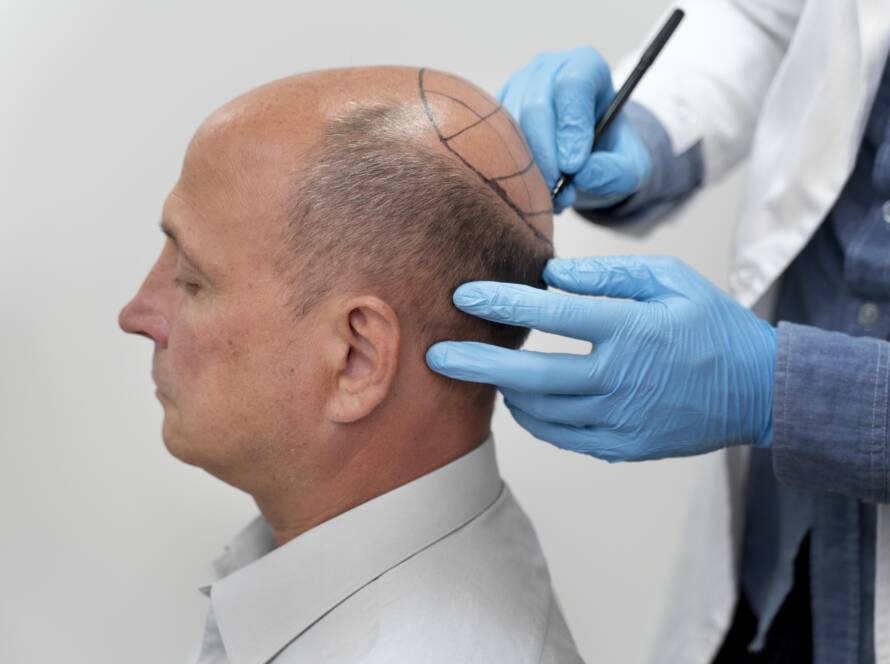
A trichologist examines the scalp and hair closely, reviews your history, lifestyle and diet, and may recommend blood tests to identify the underlying cause. With that information, you can follow a plan built for your hair rather than trial and error.
Hair Fall Assessment and Treatment in the UAE
Hair fall treatment works best when it targets the cause, so a good plan starts with finding it.
What happens at a trichology consultation
- A review of your medical history, diet, stress levels, hair care routine and family history
- A close examination of the scalp and hair, often with magnified imaging
- Blood tests where needed, for example ferritin, vitamin D, thyroid function and hormone levels
- A written, personalised plan with follow-up reviews
Treatment options your trichologist may discuss
- Nutritional correction guided by your blood results
- Medical scalp and hair treatments suited to your type of hair fall
- In-clinic therapies for the scalp and follicles
- Non-surgical options such as scalp micropigmentation for visible thinning
- Hair care and styling changes to reduce breakage
Not every option suits every person, and results vary. Your trichologist will explain what is realistic in your case.
Final Thoughts
Hair fall in the UAE rarely comes down to one thing. Hard water, heat, stress and nutrition can all contribute, but so can genetics and hormones. The best first step is to understand your own cause. Support your scalp with good habits, get your levels checked, and seek professional guidance early, since early assessment generally gives you more options.
Worried about hair fall?
Book a hair and scalp assessment with the Vivandi Trichology team in Dubai and get a plan built around your cause, not guesswork.
FAQs:
Does UAE tap water cause hair fall?
Tap water can leave hair dry, rough and brittle through mineral build-up, which may increase breakage. It is rarely the only reason for true shedding, so it is worth looking at other causes too.
Is hair fall more common in the UAE?
Many residents report it, and factors such as climate, water quality, stress levels, low vitamin D and lifestyle can all contribute. Hair loss is also common worldwide.
How can I protect my hair from hard water?
Use a shower filter, an occasional clarifying shampoo, and a filtered-water final rinse, and rinse well after swimming.
Which vitamins are linked to hair fall?
Low iron or ferritin, vitamin D, zinc and B12 are commonly associated with shedding. Get tested before taking supplements.
How long does stress-related hair fall last?
Telogen effluvium often settles within several months once the trigger is resolved, but timelines vary. See a professional if it persists.