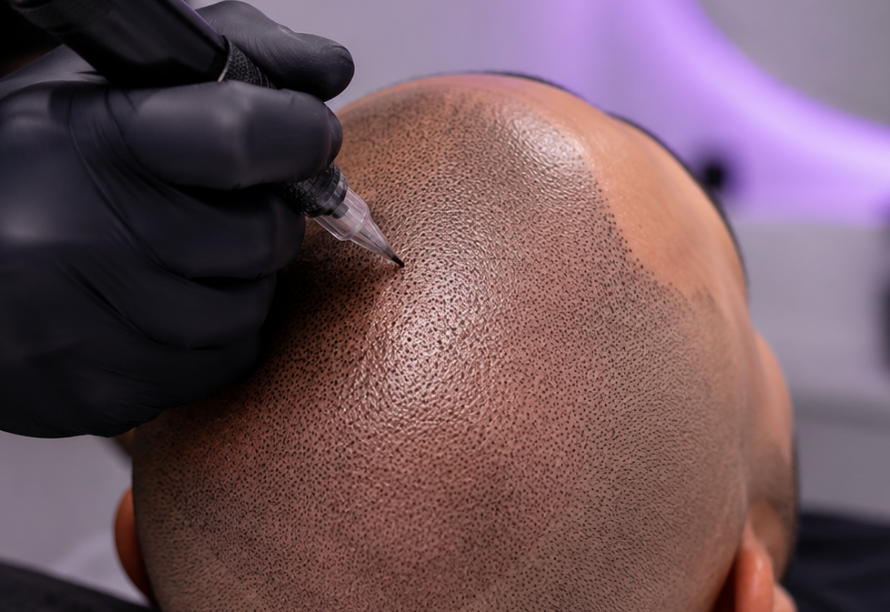
Hair thinning is no longer a concern limited to middle age. Today, a growing number of young adults in their 20s and even late teens are experiencing visible hair thinning. Reduced hair volume, widening parts, receding hairlines, and excessive shedding are becoming increasingly common at an early age.
This rise isn’t random. Modern lifestyle habits, nutritional gaps, stress, and poor hair care practices are accelerating hair thinning earlier than ever before.
Why Is Hair Thinning Increasing in Young Adults?
Hair loss is increasing in young adults due to chronic stress, poor nutrition, hormonal imbalances, aggressive styling practices, unhealthy scalp conditions, lack of sleep, and inconsistent hair care routines. These factors disrupt the natural hair growth cycle and weaken hair follicles prematurely.
How Chronic Stress Causes in Young Adults
Stress is one of the biggest yet most underestimated causes of hair loss . Academic pressure, demanding jobs, financial stress, and constant screen exposure elevate cortisol levels in the body.
High cortisol pushes hair follicles into the resting phase (telogen), leading to excessive hair shedding and slower regrowth.
Stress results in:
- Sudden increase in hair fall
- Reduced hair density
- Thinner, weaker strands
Without proper stress management, thinning hair can become progressive.
Poor Nutrition and Dieting: A Major Trigger for Young Adults
Many young adults follow crash diets, skip meals, or rely heavily on processed foods. Hair follicles require a steady supply of nutrients to maintain thickness and strength.
Nutritional deficiencies commonly linked to thinning of hairs include:
- Iron
- Protein
- Biotin
- Zinc
- Vitamin D
When the body lacks these nutrients, it prioritizes vital organs over hair growth leading to weak hair rather than complete hair loss.
Hormonal Imbalances and Early Hair Thinning
Hormonal changes are another key reason . Conditions such as:
- PCOS
- Thyroid disorders
- Androgen sensitivity
can affect the hair growth cycle in both men and women.
In many cases, hair loss develops gradually, starting with reduced volume and slower regrowth before becoming visibly noticeable.
Early diagnosis combined with correct hair care can significantly slow progression.
Excessive Styling and Chemical Damage Weakens Hair
Frequent heat styling, hair coloring, straightening, rebonding, and keratin treatments damage the hair shaft and irritate the scalp.
Common styling habits that increase hair thinning:
- Daily heat styling without protection
- Tight hairstyles causing traction
- Repeated chemical treatments
Over time, these practices weaken follicles and contribute to long-term hair thinning.
Poor Scalp Health and Incorrect Hair Care Practices
Healthy hair depends on a healthy scalp. Excess oil, dandruff, product buildup, and pollution clog hair follicles and restrict growth.
Signs poor scalp health is contributing to leads to :
- Persistent itching or flakes
- Excessive oiliness or dryness
- Hair fall with visible white bulbs
A balanced scalp-focused hair care routine is essential for reducing hair thinning.
Sleep Deprivation and Digital Lifestyle Effects
Hair growth and repair occur primarily during deep sleep. Irregular sleep schedules and excessive screen time disrupt hormonal balance and cellular repair.
Lack of quality sleep:
- Increases stress hormones
- Reduces follicle recovery
- Accelerates hair thinning
Consistent sleep is an often-overlooked yet critical part of effective hair care.
Can Hair Loss in Young Adults Be Reversed?
Hair thinning can often be slowed, managed, and partially reversed if addressed early. Results depend on the cause, consistency of hair care, and lifestyle changes.
Early intervention delivers the best outcomes.
Best Hair Care Tips
Improve Daily Hair Care
- Use gentle, sulfate-free shampoos
- Avoid excessive washing
- Handle wet hair gently
Support Hair Growth Through Nutrition
- Increase protein and iron intake
- Eat whole foods and healthy fats
- Supplement only if clinically required
Protect Hair From Damage
- Limit heat styling
- Always use heat protectants
- Avoid tight hairstyles
Prioritize Scalp Health
- Treat dandruff early
- Avoid heavy product buildup
- Maintain scalp hygiene
Manage Stress and Sleep
- Exercise regularly
- Practice stress-reduction techniques
- Aim for 7–8 hours of sleep
Frequently Asked Questions (FAQ)
- Is hair Loss normal in your 20s?
Hair thinning is becoming more common in the 20s due to lifestyle stress, poor nutrition, hormonal changes, and improper hair care.
2. Does poor hair care cause hair thinning?
Yes. Over-styling, harsh products, and neglecting scalp health can significantly contribute to hair thinning.
3. How long does it take to see improvement?
With consistent hair care and lifestyle changes, improvement is typically seen within 3–6 months.
4. Can stress-related thinning hair grow back?
In many cases, stress-related hair thinning is reversible once stress levels are managed.
Final Thoughts
The rise of thinning hair in young adults reflects modern lifestyles, nutritional gaps, stress, and neglected hair care routines. While the issue is widespread, it is not irreversible.
Awareness, early action, and consistent care are the most effective tools to protect hair health long-term.